
Hardscape Design in San Diego, CA
Refined hardscape design brings structure, comfort, and lasting style to your outdoor space.
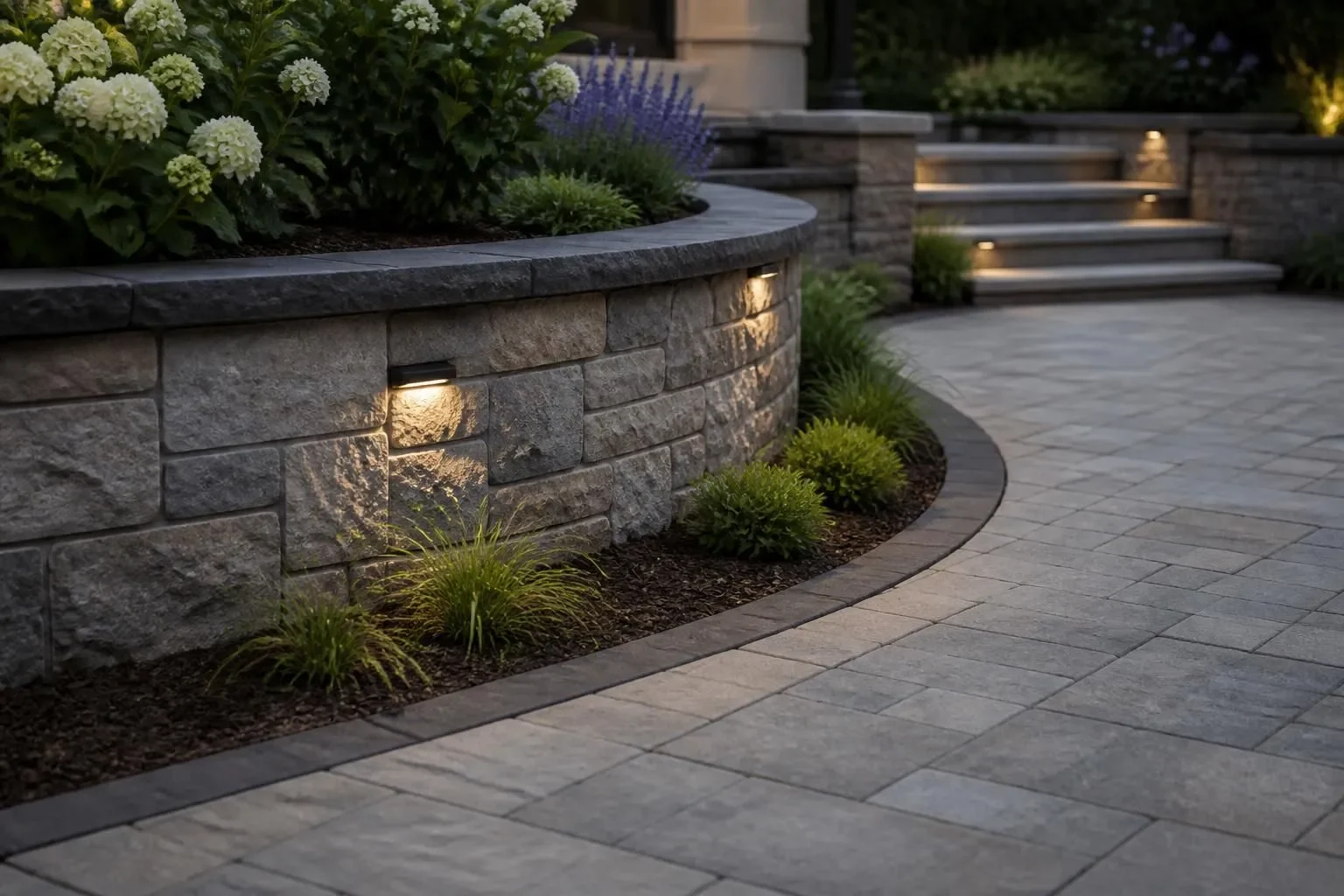
When a yard feels unfinished, the problem is often the hardscape. Walkways may look disconnected, seating areas may feel temporary, and patios can seem too hot, too busy, or too small for real daily use. If your outdoor space has good potential but no clear structure, hardscape design is usually the missing layer.
Cedar & Coast Landscape Studio shapes hardscape design for San Diego, CA homes that need clean lines, natural materials, and outdoor areas that feel calm from the start. We plan each surface, edge, and transition so the space supports how you live, entertain, and move through the yard.
Built for daily use
Hardscape design is more than choosing pavers or sketching a patio shape. It is the framework that tells the rest of the landscape where to go. When that framework is thoughtful, the yard feels organized without feeling rigid, and every zone has a clear purpose.
We design hardscape with both appearance and use in mind. That means paying attention to the path from the house to the yard, how people gather, where furniture will sit, and how materials relate to planting and light. The result should feel intentional every day, not only when the space is photographed.
Common hardscape elements
- Patios that create a comfortable place for dining or lounging
- Walkways that guide movement through the yard
- Entry paths that give the front approach a more finished look
- Retaining edges and low walls that define planting areas
- Steps and transitions that connect changes in grade
- Outdoor surfaces that pair naturally with planting and lighting
Material direction
Material choice shapes the entire feel of an outdoor space. Some surfaces read crisp and modern, while others feel softer and more relaxed. In San Diego, CA, the right finish, color, and texture matter because hardscape should support the look of the home without overpowering it.
Cedar & Coast Landscape Studio often guides clients through material decisions by focusing on tone, scale, and visual weight. A narrow path may need a lighter look. A larger patio may benefit from a quieter surface that lets furniture and planting stand out. We help narrow the options to materials that suit the architecture and the way the space will be used.
What we consider
- Surface tone: Light, medium, or darker finishes change how open or grounded a space feels.
- Texture: A smooth surface and a more tactile one create very different experiences underfoot and visually.
- Pattern: Joint layout and module size affect whether the design feels formal, relaxed, or contemporary.
- Balance with planting: The hardscape should frame the garden, not compete with it.
Space planning
Many outdoor areas feel underused because the layout does not match real life. A patio may be too close to a wall, a walkway may cut across a seating area, or a gathering zone may not have enough room to feel inviting. Good hardscape design solves those problems before materials are ever installed.
We start by thinking about the home as a series of outdoor rooms. Where do people enter? Where do they pause? Where does conversation happen? Which areas should feel open, and which should feel more enclosed? Once those answers are clear, the hardscape can be drawn with purpose.
Layout goals
- Create a smooth connection between indoor and outdoor spaces
- Give each activity area enough room to feel usable
- Keep circulation clear so movement feels natural
- Use edges and changes in level to define zones
- Make the space feel cohesive from the first step outside
Outdoor living areas
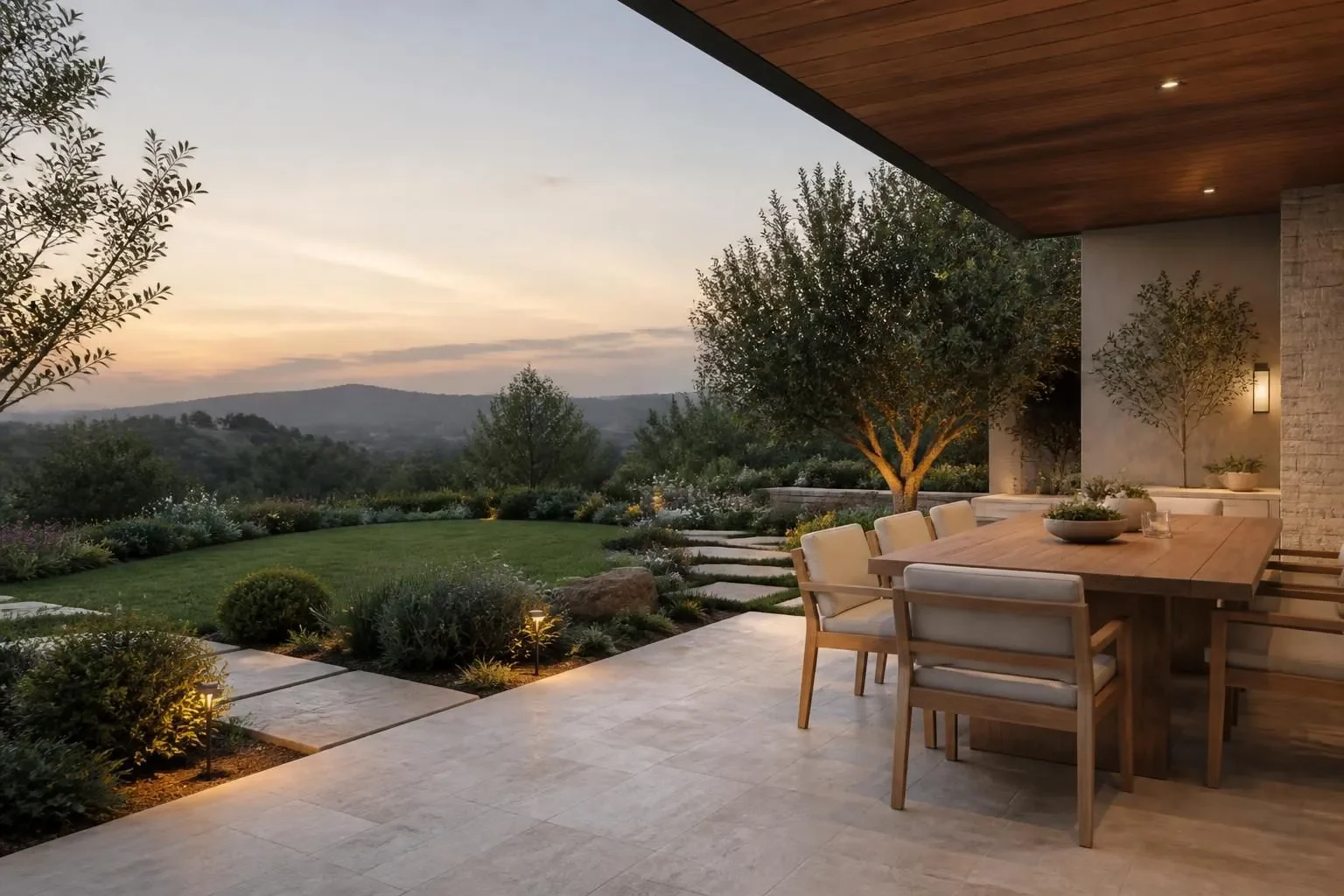
Hardscape design is often the foundation for outdoor living spaces that feel comfortable without extra effort. A well-planned patio or terrace can support dining, lounging, and quiet mornings without looking crowded. The goal is to give the space a strong base so the furnishings and planting can do their part without confusion.
At Cedar & Coast Landscape Studio, we shape hardscape to support everyday routines and relaxed gatherings alike. That may mean creating a broad seating area, a more intimate corner, or a sequence of surfaces that connect different experiences across the yard. In San Diego, CA, these choices matter because the outdoor space often becomes a true extension of the home.
Helpful pairings
- Patio surfaces with defined seating edges
- Walkways that lead naturally to gathering areas
- Low walls that double as casual seating or visual anchors
- Transitions that connect dining zones with planting beds
Water-wise structure
Hardscape and water-wise planting work best when they are designed together. Strong structure gives planting a clearer role, and planting softens the geometry of stone, concrete, or pavers. This balance is especially valuable for coastal Southern California homes that benefit from a calm, restrained garden composition.
We often use hardscape to create contrast and breathing room. A narrow planting ribbon can make a patio feel more refined. A broader edge can help define a path without making the yard feel crowded. The aim is not to fill every inch, but to make each surface and planting area feel deliberate.
Cedar & Coast Landscape Studio approaches this with a low-maintenance mindset, so the garden feels composed without becoming visually heavy. That approach supports outdoor spaces that age with grace and still feel elegant after the initial install.
Design process
Clear process matters because hardscape decisions affect everything else. Once a patio or path is placed, it influences planting, lighting, furniture, and how the whole yard is experienced. We work carefully at the planning stage so the finished design makes sense from both a practical and visual standpoint.
- Site review: We look at the yard’s shape, existing conditions, and how the space could be better organized.
- Concept direction: We define the overall feel, from quiet and minimal to more layered and architectural.
- Layout development: Surfaces, edges, and transitions are arranged to support movement and use.
- Material guidance: We narrow finishes and textures that suit the home and the planned garden style.
- Coordination: Hardscape is aligned with planting and lighting so the final composition feels complete.
This process helps avoid isolated features that look fine on their own but do not work together once the yard is built. A good design should feel easy to understand from the first glance and even better when used every day.
Materials and details
Small details often shape the final mood more than homeowners expect. Joint spacing, edge treatment, step proportions, and surface transitions all affect how polished the space feels. Those choices also influence how the hardscape connects with nearby planting and the home itself.
We pay close attention to those details because they are what make a space feel calm rather than cluttered. In a well-composed yard, the hardscape does not call attention to itself. It supports the experience, frames the view, and gives the garden a clear structure.
Detail choices that matter
- Clean edges that help patios and paths read clearly
- Step sizes that feel comfortable and easy to use
- Transitions that avoid awkward breaks between surfaces
- Proportions that fit the scale of the house and yard
- Simple, consistent layouts that keep the design composed
What to expect
Homeowners often come to hardscape design with a vague sense that the yard needs more definition. That feeling is useful. It usually points to spaces that are too loose, too fragmented, or too disconnected to support everyday use. A design-focused approach turns that uncertainty into a clear plan.
When you work with Cedar & Coast Landscape Studio, you can expect a measured, design-led process that keeps the project grounded. We translate ideas into a layout that supports the home, the planting, and the way you want the outdoor space to feel. For many clients in San Diego, CA, that means moving from scattered surface choices to a unified outdoor composition.
If the goal is a patio that feels more finished, a walkway that makes sense, or a yard that finally feels organized, hardscape design is where that transformation starts.
Common questions
How does hardscape design affect the whole yard?
Hardscape sets the structure for movement, gathering, and visual balance. It tells the planting where to soften, where to frame, and where to open up the space.
Can hardscape design work with an existing garden?
Yes. A thoughtful layout can improve an existing landscape by adding clearer paths, stronger edges, or a better-defined patio without starting from scratch.
What makes a hardscape feel calm instead of busy?
Restraint in material choices, consistent proportions, and clean transitions help the design feel calm. When too many shapes or finishes compete, the space can feel cluttered.
Why does scale matter so much?
Scale affects comfort and flow. A surface that is too small can feel cramped, while one that is too large can overwhelm the yard. The right scale helps the space feel balanced.
How does hardscape connect with outdoor living spaces?
It creates the foundation for seating, dining, movement, and gathering. Without that base, outdoor living spaces can feel temporary rather than integrated.
What kind of properties suit this approach?
This approach suits homes that need a more refined outdoor layout, especially where the goal is to combine structure, natural materials, and low-maintenance design into one cohesive space.
For homeowners ready to rework a yard with more clarity and style, hardscape design offers the structure that makes everything else feel settled. Cedar & Coast Landscape Studio brings that structure together with a calm, editorial approach tailored to San Diego, CA homes.
Begin Here
Plan Your Outdoor Space With Confidence
Tell us what you want to change, and we will help you define a clear direction for your landscape.